
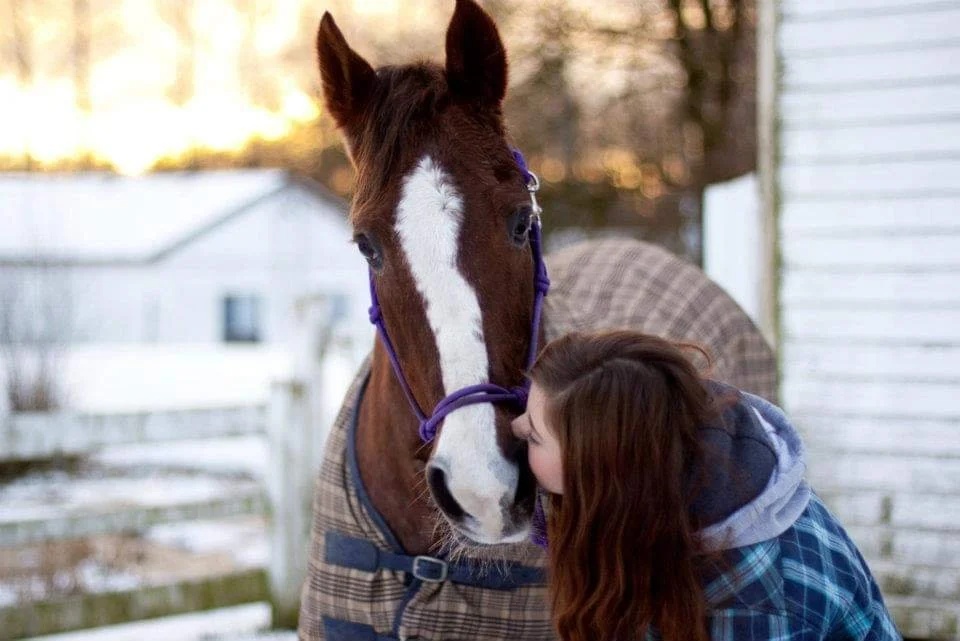
Near the end of winter, I see a lot of impacts on my equine clients from wearing heavy blankets for the last several months. Wither and neck sensitivity, shoulder sensitivity, trigger points and pressure sores, rubs, and loss of mobility in the neck and shoulders are common.
Since I live somewhere that gets quite cold and damp in the winter months, keeping blankets off all winter is typically not a solution for most horses. However, it is important to be aware that blankets can create a lot of problems while solving others.
These are my best tips for keeping your horse as comfortable as possible even when requiring a blanket during the winter months.
1. Make sure your blankets actually fit. Blankets that are constantly rolling to one side, sliding back, or digging into the neck, shoulders, or wither are not fitting your horse properly. There are good guides online to blanket fit, or ask your local equestrian retailer - they are often very knowledgeable on blanket fit, and can recommend sizes and brands that fit your horse's unique shape.
2. Swap out blankets regularly. This gives you an opportunity to clean them as well as change up the areas of pressure on the body.
3. Choose appropriate blanket weight for the weather. Blankets with too much fill will cause sweating which contributes to rubs (among other health issues). Layering blankets can often cause issues with weight, pressure points and rubs as well.
4. Clean blankets throughout the winter. Build up of dirt, sweat and skin oils on the inside of blankets will increase the chances of rubbing and chafing.
5. Give your horses breaks from blankets when you can. If the weather is clear and not overly cold, your horse could really use the opportunity to air out their skin and roll in the dirt without a blanket on! Just monitor the weather so that if they aren't used to being blanketless, they don't get caught without one in a cold wind or when the rain returns.
6. Brush your horses! A lot of people don't bother to take off the blanket and brush their horse regularly if they aren't riding. Ideally you are doing this daily - to monitor health too! - but several times a week at minimum.
7. Consider regular bodywork throughout the winter to both monitor and support your horse's comfort!